


Fall Prevention at Home: How a Skilled Home Health Team Reduces Risk Before It Becomes a Crisis in Miami
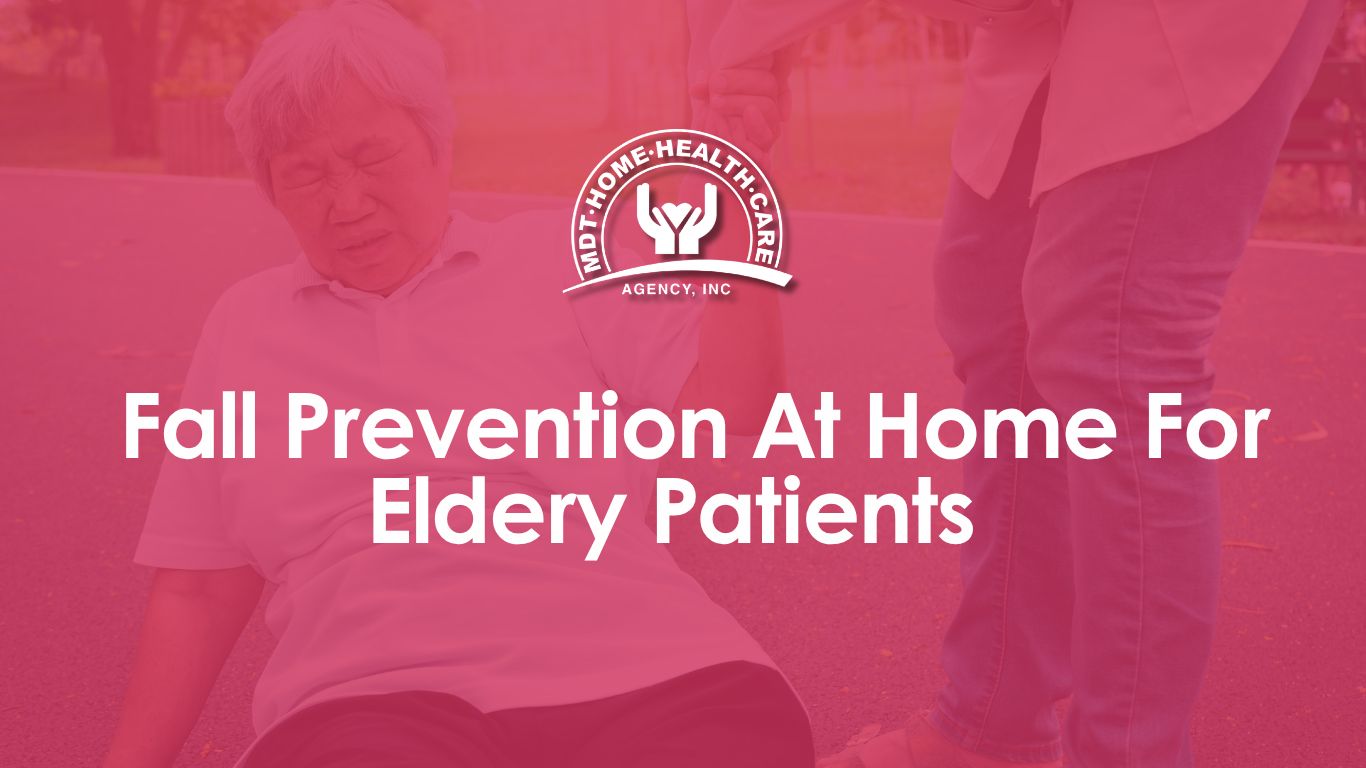
The CDC estimates that approximately 3 million older adults are treated in emergency departments for fall injuries each year in the United States — and that falls are the leading cause of injury-related death in adults 65 and older. In Miami-Dade, where a large and growing proportion of the population is elderly and living independently at home, fall prevention is one of the most urgent and most preventable clinical priorities in home health.
What makes falls particularly consequential for this population is what follows. The hospitalization. The surgical complication. The deconditioning that sets in during recovery. The loss of confidence that keeps a patient from walking through their own home. Skilled nursing home health in Miami is positioned to interrupt this cascade before it begins — not after the first fall, but in the months before it.
Why Fall Risk Looks Different at Home
Not all fall risk is visible in a clinical office. The patient who walks steadily in a physician’s exam room may shuffle dangerously on the way to the bathroom at 3am. The antihypertensive that causes orthostatic hypotension may only manifest as dizziness at home, when the patient stands too quickly from a low chair in a room with no grab bars.
The home health setting allows the clinical team to assess fall risk where it actually exists — in the patient’s own environment, during the actual activities that create danger. A skilled nurse or physical therapist visiting the home in Miami-Dade can identify: — Environmental hazards: loose rugs, inadequate lighting, cluttered pathways, absent or incorrectly placed grab bars, transition surfaces between rooms — Medication-related risk: sedating medications, antihypertensives, diuretics that affect timing and urgency, polypharmacy interactions — Gait and balance deficits not fully apparent during short clinical visits — Orthostatic blood pressure changes in the patient’s actual home environment — Footwear and clothing that increases trip and stumble risk — Cognitive factors that affect safe judgment and compliance with fall precautions
The Skilled Nursing Role in Fall Prevention
At MDT Home Health Care Agency, skilled nurses conduct fall risk assessments at every visit using validated instruments — not as a checkbox, but as a structured clinical process that tracks changes over time. The nurse reviews medications for fall-risk contributors at each visit, monitors for new symptoms that may indicate emerging balance or cognitive risk, and initiates direct physician communication when the clinical picture changes.
For patients managing conditions associated with fall risk in Miami-Dade — Parkinson’s disease, stroke, CHF, diabetes with peripheral neuropathy, post-surgical orthopedic recovery — the skilled nurse’s presence in the home is an active safety intervention, not a passive monitoring visit.
Physical and Occupational Therapy: The Clinical Backbone of Fall Prevention
Physical therapy is the evidence-based foundation of fall prevention in home health. MDT’s licensed PTs conduct comprehensive balance and gait assessments, design individualized progressive strengthening programs, implement cueing strategies for patients with gait freezing or instability, and identify the specific environmental modifications that will make the home measurably safer.
Occupational therapy brings an equally critical perspective: home modification recommendations based on direct observation, ADL training with fall prevention integrated into every task sequence, and adaptive equipment prescription that reduces injury risk during the activities the patient cannot avoid — bathing, dressing, nighttime bathroom access.
Together, PT and OT create a fall prevention strategy that is environmental, behavioral, and functional — built into how the patient actually lives, not limited to a series of balance exercises.
The Financial Case for Early Referral
A single fall-related hospitalization requiring surgical intervention averages $30,000 or more in direct costs. For hospital systems operating under value-based care models, fall-related readmissions represent a measurable and avoidable cost. The clinical and financial argument for skilled nursing home health in Miami as a fall prevention strategy is the same: it is far less costly to prevent the fall than to treat its consequences.
When to Refer for Fall Prevention
— Recent fall with or without injury — New or changed medications with known fall-risk side effects — Post-hospitalization functional decline or deconditioning — Documented balance, gait, or strength deficit — Parkinson’s disease, stroke history, or peripheral neuropathy — Patient or caregiver expressing fear of falling at home
MDT Home Health Care Agency is Medicare-certified and Joint Commission accredited, serving Miami-Dade and Monroe County with 24-hour on-call clinical support. To refer a patient or consult with our clinical team, call 305-644-2100 or visit mdthomehealth.com/news.