Main Line: 305-644-2100
Fax: 305-644-2910
Email: info@mdthomehealth.com

Family Caregiver Support Home Health


Family Caregiver Resources · Skilled Nursing · Miami-Dade & Monroe County

Family caregiver support home health starts the moment a patient comes home —when family becomes the care team, without ever being asked if they were ready for the job.

MDT Home Health Care  ·  Miami-Dade & Monroe County  ·  July 2026
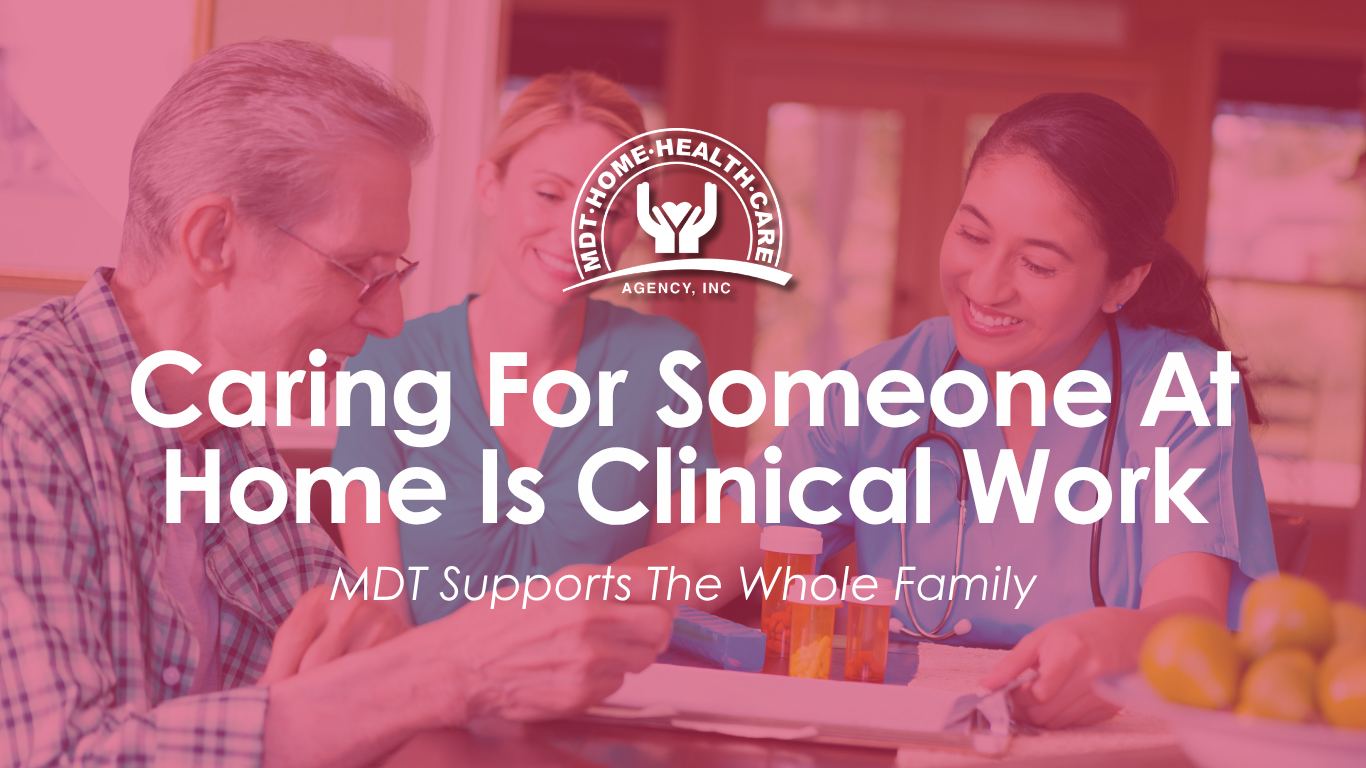

Family caregiver support home health — nurse training caregiver at home


When a patient returns home from the hospital, family caregiver support home health services often make the difference between a safe recovery and a preventable readmission. Family members suddenly manage medications, wound care, and transfers they were never trained to handle.

Medication management. Wound care instructions. Safe patient transfers. Monitoring for warning signs that something has changed.

These responsibilities often require real clinical guidance. Family members taking them on are usually doing their best, often under significant emotional and physical strain, without anyone having sat down to teach them how.

“Caring for someone at home is clinical work, whether or not anyone has named it that way.”

What Family Caregivers Are Often Asked to Do

It’s worth naming, plainly, what a family caregiver’s role often includes after a loved one comes home.

Medication administration. Caregivers often follow a schedule that changed significantly during a hospital stay, sometimes involving multiple medications with different timing and storage requirements.

Wound care. Caregivers change dressings and monitor for signs of infection, often following instructions a nurse gave quickly and verbally in a hospital room.

Safe patient transfers. Caregivers help a loved one move from bed to chair, chair to standing, or in and out of a vehicle — often without training in body mechanics that protects both the patient and the caregiver.

Symptom monitoring. Caregivers must know which changes in condition to expect, which ones raise concern, and when to call the physician or go to the emergency room.

Emotional and physical labor. All of the above, on top of the ordinary demands of life, frequently without a break.

Why Family Caregiver Support Home Health Matters Clinically

It’s tempting to frame caregiver support as a “nice to have” — a softer, secondary concern next to the patient’s clinical needs. In practice, the two connect directly: a caregiver who doesn’t understand how to administer medication correctly, recognize early signs of wound infection, or know when a symptom warrants a call to the physician directly affects the patient’s clinical outcomes.

That is exactly why family caregiver support home health services exist at MDT: to close the gap between a patient’s clinical needs and a family’s readiness to meet them. Effective home health care supports not just the patient, but the family caregiver who carries the work of care between clinical visits.

What Family Caregiver Support Home Health Includes During a Skilled Nursing Visit

When a patient is referred to MDT, support for caregivers may include

→  Caregiver education on safe patient transfer, medication administration, wound care techniques, and symptom monitoring

→  Clear instruction on warning signs to watch for, and how to reach MDT’s 24-hour on-call clinical team

→  Ongoing communication with the caregiver throughout the episode of care, as part of the care team

→  Coordination with the ordering physician when caregiver-reported observations are clinically relevant

Recognizing When a Caregiver Needs More Support

Families don’t always recognize when they’ve taken on more than they can manage safely, often because no one has told them what “equipped” should look like. Signs that a caregiver may benefit from additional clinical education and support include:

·  Uncertainty about how or when to administer medications correctly

·  Difficulty performing wound care as instructed, or uncertainty about what a healing wound should look like

·  Physical strain or fear of injury when helping with transfers or mobility

·  Not knowing which symptoms warrant a call to the doctor versus a trip to the emergency room

·  Visible exhaustion, stress, or a sense of being overwhelmed by the responsibility

None of these signal failure. Instead, they signal that the caregiver needs the kind of structured, clinical instruction a skilled nursing visit provides.

Who Benefits From a Home Health Referral That Includes Caregiver Support

A home health referral that includes meaningful caregiver support may be appropriate when:

→  A family caregiver is managing care responsibilities they have not been clinically trained for and requires skilled nursing instruction

→  The patient is returning home after hospitalization to a primary caregiver who needs guidance on post-discharge care tasks and warning signs

→  The caregiver’s capacity to safely support the patient’s care at home may benefit from skilled nursing assessment and ongoing education

For patients in Miami-Dade and Monroe County, Medicare-covered home health requires a physician’s order and confirmation that the patient meets homebound status under current Medicare guidelines. Learn more about our home health services or visit our referral page for specific eligibility questions.

How MDT Delivers Family Caregiver Support Home Health Services

At MDT Home Health Care, caregiver education is not a brief mention at the end of a visit. Our skilled nursing and therapy team builds it into how they work with every family.

How MDT Supports Caregivers

Hands-on instruction

Nurses show caregivers — not just tell them — how to safely perform the tasks specific to their loved one’s condition and plan of care.

Direct access to clinical support

Our 24-hour on-call team means a caregiver is never facing a question alone at 2 a.m.

Ongoing communication

We check in with caregivers throughout the episode of care, because confidence and competence build over multiple encounters.

Physician coordination

When a caregiver raises a clinically relevant concern, we make sure it reaches the ordering physician.

MDT Home Health Care serves patients and their families across Miami-Dade and Monroe County, Florida. We are Medicare-certified and Joint Commission accredited, with 24-hour on-call clinical support.

For Families Currently Managing Care at Home

If you are caring for a loved one and feel uncertain about any part of their care — medications, wound care, transfers, or simply knowing what’s normal — that uncertainty is a reasonable response to being asked to do clinical work without clinical training. Skilled home health support exists, in part, to close exactly that gap. See our guide to discharge planning and home health coordination for more on preparing for the transition home.

Family caregiver support home health, every day.

Caring for someone at home is clinical work. Family caregivers deserve the same clarity, instruction, and support that any member of a care team would expect — because, functionally, that’s exactly what they are.

At MDT Home Health Care, that is what we are here for: supporting the whole family, not just the patient.

Contact MDT to Refer a Patient →

MDT Home Health Care  ·  Medicare Certified  ·  Joint Commission Accredited  ·  24-Hour On-Call  ·  Miami-Dade & Monroe County, Florida
Medication Management After Discharge: A Family Guide


Medication Management · Post-Discharge Care · Miami-Dade & Monroe County

A new medication list waits at the door when patients come home. Here is what safe medication management actually requires.

MDT Home Health Care  ·  Miami-Dade & Monroe County  ·  June 2026


Medication management after discharge is easy to overlook. But it matters a lot. A patient’s regimen often changes right after a hospital stay. New prescriptions show up. Doses shift. Old medications disappear from the list.

As a result, families are left to handle these changes at home. There is no hospital nurse down the hall. There is no pharmacist on call. So that gap is real, and it deserves a clinical answer, not guesswork.

Medication management home health — nurse reviewing prescriptions with patient

“Medication management isn’t about reminding someone to take their pills. It’s a clinical service — observation, judgment, education, and physician coordination.”

Why Medication Management After Discharge Matters

Discharge is a big transition. For some patients, home life adds real risk to a new medication routine. There is no clinical team nearby to catch a mistake. So, several factors drive that risk.

New prescriptions and changed regimens. A hospital stay often adds medications. It can also change doses or stop others completely. Because of this, a patient must learn a new routine fast — often the same day they leave.

Patient and caregiver readiness. Discharge instructions move quickly. A patient may feel tired or unwell when they hear them. Meanwhile, caregivers often get verbal instructions they don’t fully understand. Later, at home, they try to follow a plan they were never quite ready for.

Complex, multi-medication regimens. Many patients manage several chronic conditions at once. So, they’re often prescribed several medications too. Therefore, tracking timing, interactions, and side effects takes real clinical knowledge — knowledge most families don’t have without guidance.

What Skilled Nursing Medication Management Includes

Skilled nursing support is not just a pill reminder. Instead, it’s a real clinical service. It includes direct observation, professional judgment, patient education, and ongoing contact with the patient’s physician.

In the home health setting, this may include

→  Medication review — our nurse checks for changes since the last doctor visit and flags anything that needs more instruction

→  Patient and caregiver education on correct dosing, timing, and storage for each medication

→  Observation and monitoring for any medication-related concern, as the physician’s plan directs

→  Physician coordination — our nurse reports side effects or adherence issues straight to the doctor

When Is Medication Management After Discharge Necessary?

Medicare may cover this care. That happens when a physician orders skilled nursing and the patient meets homebound rules. Of course, each case is reviewed on its own. Still, a few common situations tend to qualify:

·  A new or changed regimen at discharge that needs skilled instruction and monitoring

·  Medications for chronic conditions — heart failure, diabetes, COPD, or hypertension — under physician order

·  Adherence problems flagged by the ordering physician

·  Caregivers who need hands-on training to give and track medications safely

For patients in Miami-Dade and Monroe County, Medicare home health needs a physician order plus confirmed homebound status. For specific questions, visit our home health services page or our referral page.

How MDT Approaches Medication Management at Home

At MDT, every visit follows the physician’s plan of care. Here’s how that works, step by step.

MDT Medication Management Process

Initial review

First, our nurse reviews the full medication list. Then, she flags anything that needs the doctor’s input.

Patient & caregiver instruction

Next, we walk through each medication clearly. This way, both patient and caregiver know exactly what to do.

Ongoing clinical observation

After that, our nurses watch for any change at each visit. So, nothing slips through unnoticed.

Physician coordination

Finally, we stay in close contact with the doctor. That way, concerns get addressed fast.

MDT Home Health Care serves Miami-Dade and Monroe County. We are Medicare-certified and Joint Commission accredited, with 24-hour on-call support.

A Note for Family Caregivers

Managing a loved one’s medications at home is a real job. It takes work, especially right after a hospital stay. You need to know what each pill does. You need to know when to give it. And you need to spot the signs that something is wrong. So, you shouldn’t carry that alone. For more on a safe transition home, see our guide to discharge planning and home health coordination.

Medication management after discharge is clinical, not casual.

A patient with a new regimen deserves real oversight. They deserve clear education, too. And they deserve a team that talks to their doctor directly.

At MDT Home Health Care, that’s exactly what our nursing team provides.

Contact MDT to Refer a Patient →

MDT Home Health Care  ·  Medicare Certified  ·  Joint Commission Accredited  ·  24-Hour On-Call  ·  Miami-Dade & Monroe County, Florida
Fall Risk After Discharge Miami | MDT


Fall Prevention · Discharge Planning · Miami-Dade & Monroe County

Most families brace for the hospital. Fewer expect that the days right after coming home can be just as risky — especially when it comes to falling.

MDT Home Health Care  ·  Miami-Dade & Monroe County  ·  June 2026


Miami home health after discharge — MDT Home Health Care Miami-Dade


Most families brace for the hospital stay itself. Fewer expect that fall risk after discharge can be just as serious — particularly in the days right after coming home.

Fall risk doesn’t end when a patient leaves the hospital. In many cases, it starts there. Deconditioning during the hospital stay, medication changes, new or unfamiliar assistive devices, and a home environment that hasn’t been assessed for a patient’s changed functional status can combine in ways that families don’t fully anticipate — until something happens.

“The body that comes home from the hospital is not the same body that went in. Strength, balance, and confidence all change — and most homes haven’t caught up yet.”

Why fall risk increases after a hospital stay

A hospital stay changes the body, even when the original reason for admission has resolved. Several factors commonly contribute to increased fall risk in the post-discharge period.

Deconditioning. Days of bed rest or limited mobility during hospitalization can weaken muscles and affect balance — often more than patients or families realize until the patient is back on their feet at home.

Medication changes. New prescriptions, adjusted dosages, or discontinued medications can affect balance, alertness, and blood pressure stability. Some combinations increase dizziness or drowsiness in ways that weren’t present before admission.

New or unfamiliar assistive devices. A walker, cane, or other mobility aid introduced during hospitalization is often unfamiliar. Patients and caregivers may not yet know how to use it safely in their own home.

An unassessed home environment. The home a patient is returning to was not necessarily evaluated for their current, post-hospitalization functional status. Stairs, rugs, poor lighting, or a bathroom that was manageable before may now present a real fall hazard.

What a home mobility and safety assessment includes

When a patient is referred to home health following discharge, skilled nursing and — when ordered by the physician — therapy services can directly address this fall risk picture. A home mobility and safety assessment, conducted during the initial skilled nursing visit, typically looks at the following.

What the assessment covers

→  Functional mobility in the actual home environment — not a hospital hallway, but the patient’s own stairs, hallways, bathroom, and bedroom

→  Assistive device use — whether the patient is using their walker or cane correctly, and whether it’s appropriately fitted

→  Medication review for balance-related risk, noting agents that may warrant physician attention

→  Caregiver readiness to safely assist with transfers, ambulation, and recognizing early warning signs

How physical and occupational therapy support safe recovery

When ordered by the physician, physical and occupational therapy play a specific role in post-discharge fall prevention.

Physical therapy focuses on rebuilding strength, balance, and safe ambulation — addressing the deconditioning that often follows a hospital stay and helping patients regain the functional mobility they had before admission.

Occupational therapy addresses how a patient performs daily activities safely within their own home — transfers in and out of bed, bathing, dressing, and the home modifications or adaptive techniques that may reduce fall risk during those activities.

Both disciplines work in coordination with skilled nursing and communicate relevant clinical observations back to the ordering physician throughout the episode of care.

Who is appropriate for a fall-risk-focused home health referral?

A home health referral focused on post-discharge fall risk may be appropriate when a patient:

·  Returns home with new or changed mobility limitations following hospitalization, surgery, or extended bed rest

·  Requires physical or occupational therapy to safely navigate their home environment or regain functional mobility

·  Has a changed medication regimen and whose physician has identified a need for skilled nursing monitoring

·  Lives with a caregiver who requires clinical education on safe mobility assistance and fall risk management

·  Faces a home environment not yet assessed for their changed functional status

For patients in Miami-Dade and Monroe County, Medicare-covered home health requires a physician’s order and confirmation that the patient meets homebound status under current Medicare guidelines. Learn more about our full range of home health services, or visit our referral page for specific eligibility questions.

What post-discharge fall prevention looks like at MDT

At MDT Home Health Care, we support the post-discharge transition with skilled nursing and — when ordered by the physician — therapy services that address this specific clinical picture.

MDT Fall Prevention Process

Home mobility & safety assessment

During the initial skilled nursing visit, focused on the patient’s post-hospitalization functional status in their actual home environment.

Therapy coordination

With physical and occupational therapy, when ordered by the physician, to address safe ambulation, assistive device use, and functional mobility at home.

Medication review

As part of the skilled nursing assessment, noting any agents that may warrant physician attention related to balance, alertness, or blood pressure stability.

Caregiver education

On safe patient transfer, ambulation assistance, and early warning signs of declining stability.

Physician communication

Relevant clinical observations are communicated to the ordering physician throughout the episode of care.

MDT Home Health Care serves patients across Miami-Dade and Monroe County, Florida. We are Medicare-certified and Joint Commission accredited, with 24-hour on-call clinical support.

A note for families

If your loved one has recently come home from the hospital and you’ve noticed they seem less steady on their feet, more hesitant on stairs, or unsure how to use a new walker or cane — that is worth taking seriously, not dismissing as a temporary adjustment. These are often the early, addressable signs of post-discharge fall risk, and skilled home health support exists specifically to address them before a fall happens. For more on preparing for the transition home, see our guide to discharge planning and home health coordination.

Fall risk after a hospital stay is common — and often addressable.

It’s most predictable, and most preventable, in the first weeks at home — when deconditioning, medication changes, and an unfamiliar environment intersect.

At MDT Home Health Care, that is what our skilled nursing and therapy team is here to provide.

Contact MDT to Refer a Patient →

MDT Home Health Care  ·  Medicare Certified  ·  Joint Commission Accredited  ·  24-Hour On-Call  ·  Miami-Dade & Monroe County, Florida

Unveiling the Power of Cognitive Reserve: A Key Ally in Late Retirement

In an era where longer life expectancies have become the norm, the concept of cognitive reserve emerges as a crucial factor in navigating the complexities of an extended life.

Understanding Cognitive Reserve

Cognitive reserve refers to the brain’s ability to adapt and maintain normal cognitive function despite experiencing damage or changes. It acts as a sort of “reserve” or resilience, allowing individuals to withstand age-related brain changes, injury, or diseases without showing noticeable cognitive decline. This concept suggests that certain life experiences, education, profession, and engaging activities contribute to building a cognitive reserve, essentially acting as a buffer against cognitive decline.

The Components of Cognitive Reserve

Cognitive reserve isn’t a singular entity; rather, it’s a combination of various elements:

Education and Lifelong Learning

A higher level of education has been linked to greater cognitive reserve. Constantly engaging in learning, whether through formal education or self-driven exploration, keeps the brain active and resilient.

Occupational Complexity

Jobs that require mental agility, problem-solving, and continuous learning are believed to contribute to cognitive reserve. These professions stimulate the brain, potentially bolstering its ability to withstand cognitive decline.

Social Engagement

Active social lives, frequent interactions, and participation in social groups or activities have been associated with a higher cognitive reserve. Meaningful social connections and engagements serve as mental stimulation, which is beneficial for brain health.

Mental and Physical Activities

Regular physical exercise and mentally stimulating activities like puzzles, reading, or learning new skills play a significant role in building and maintaining cognitive reserve.

How Cognitive Reserve Supports Late Retirement

Cognitive reserve plays a pivotal role in supporting individuals in various ways:

Sustained Cognitive Function

Individuals with higher cognitive reserve tend to maintain better cognitive function even as they age. This means they can continue to perform work-related or daily-living tasks effectively and efficiently, despite the challenges of aging.

Adaptability and Learning

Having a robust cognitive reserve fosters adaptability and the ability to learn new skills. In late retirement, this becomes crucial as individuals may need to adapt to changing physical, emotional, and mental ability.

With a focus on ongoing learning, social connections, and stimulating activities, individuals can confidently embrace an extended life, leveraging their cognitive reserve to not only maintain their capabilities but also to enjoy a fulfilling and enriching life. Building and nurturing cognitive reserve is a strategy for a successful lifelong investment in cognitive well-being and mental resilience.

Know Your 3 Big Heart Numbers

Your heart is one of the most vital organs in your body and keeping it healthy is crucial for a long and fulfilling life. To assess and monitor your heart health, you need to be aware of three key numbers that provide valuable insights into the state of your cardiovascular system. These numbers can help you make informed decisions about your lifestyle and healthcare. This article explores these three big heart numbers and explains their significance.

Blood Pressure

Blood pressure is a measure of the force of blood against the walls of your arteries as your heart pumps it around your body. It’s expressed as two numbers: systolic and diastolic. The systolic pressure (the higher number) represents the force when your heart beats, while the diastolic pressure (the lower number) is the force when your heart is at rest between beats. For instance, a healthy blood pressure reading is typically around 120/80 mm Hg.

Understanding Your Blood Pressure:

High blood pressure, also known as hypertension, is a significant risk factor for heart disease and stroke. If your numbers consistently exceed the recommended range, it’s essential to take action through lifestyle changes or medication prescribed by a healthcare professional.

Cholesterol Levels

Cholesterol is a waxy, fat-like substance found in your blood. It’s essential for building healthy cells, but when there’s an excess of “bad” cholesterol (LDL) in your bloodstream, it can lead to plaque buildup in your arteries, increasing the risk of heart disease.

Understanding Your Cholesterol Levels:

Total Cholesterol: This number represents the overall cholesterol level in your blood. For most adults, a healthy total cholesterol level is below 200 mg/dL.

LDL Cholesterol: Often referred to as “bad” cholesterol, it should be kept low. An optimal level is typically below 100 mg/dL.

HDL Cholesterol: High-density lipoprotein (HDL) is considered “good” cholesterol because it helps remove LDL from your arteries. A higher HDL level, above 60 mg/dL, is beneficial for heart health.

Monitoring your cholesterol levels through regular blood tests is essential, and if your levels are not within the recommended range, your healthcare provider may recommend lifestyle changes, dietary adjustments, or medication.

Resting Heart Rate

Your resting heart rate is the number of heart beats per minute when you’re at rest. It’s a reliable indicator of your overall cardiovascular fitness. A lower resting heart rate is often associated with better heart health because it signifies that your heart doesn’t have to work as hard to pump blood.

Understanding Your Resting Heart Rate:

For most adults, a normal resting heart rate falls between 60 and 100 beats per minute.

Athletes and individuals who engage in regular aerobic exercise often have resting heart rates at the lower end of this range, which is a sign of good cardiovascular fitness.

Monitoring your resting heart rate over time can help you gauge the effects of your fitness routine and make necessary adjustments to improve your heart health.

Knowing your three big heart numbers—blood pressure, cholesterol levels, and resting heart rate—is essential for maintaining good cardiovascular health. Regular check-ups with your healthcare provider and a healthy lifestyle that includes a balanced diet and regular physical activity can help you manage these numbers and reduce your risk of heart disease. By staying informed and proactive, you can take control of your heart health and enjoy a longer, healthier life.

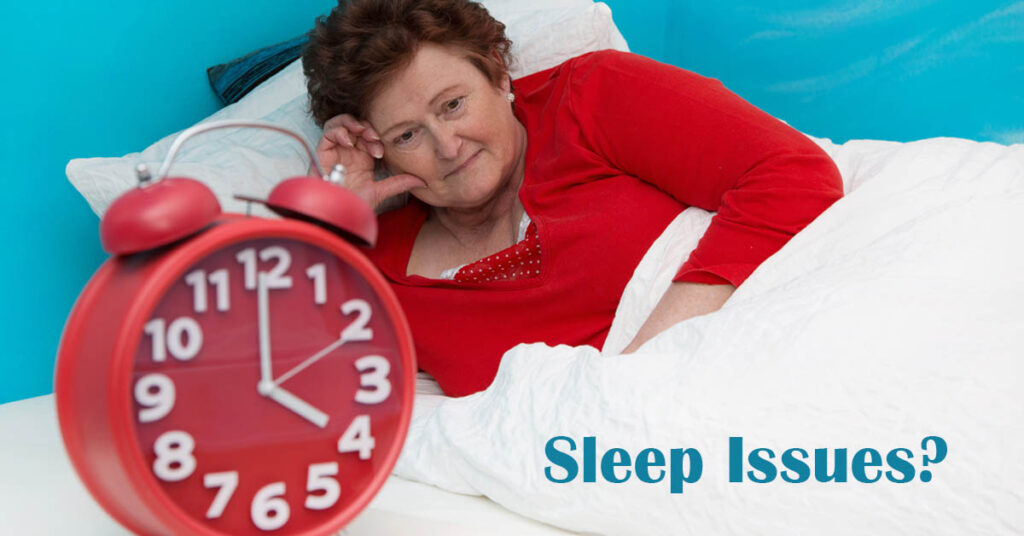
Connection Found Between Sleep issues and Elevated Stroke Risk

A recent investigation published in the online edition of Neurology®, the medical journal of the American Academy of Neurology, suggests a potential link between sleep disturbances and an increased susceptibility to strokes. The study, which delved into sleep patterns, snoring, and sleep apnea, reveals intriguing associations but doesn’t establish a causal relationship.

According to the research, conducted on a global scale and encompassing 4,496 participants, the risk of stroke was observed to potentially heighten among individuals grappling with diverse sleep-related issues such as inadequate or excessive sleep, extended napping, poor sleep quality, and disruptive conditions like snoring and sleep apnea. Remarkably, those encountering five or more of these challenges demonstrated a substantially amplified risk of stroke. The study, however, falls short of demonstrating that sleep difficulties directly trigger strokes, but rather highlights a noteworthy correlation.

Study author Christine Mc Carthy, MB, BCh, BAO, from the University of Galway in Ireland, underscores the significance of the findings: “Our research not only implies a heightened risk of stroke associated with individual sleep problems but also indicates that encountering five or more of these issues might translate to a fivefold increase in stroke risk compared to those unaffected. This calls attention to the importance of addressing sleep problems as a viable avenue for stroke prevention.”

The comprehensive international study enrolled 4,496 participants, among whom 2,243 had suffered a stroke, paired with 2,253 stroke-free individuals, with the average age of participants resting at 62. A wide array of sleep-related behaviors, spanning sleep duration, sleep quality, daytime napping, snoring, respiratory disruptions during sleep, and more, was examined.

Intriguingly, the research shows that both excessive and insufficient sleep are associated with a heightened likelihood of experiencing a stroke, in comparison to those maintaining moderate sleep durations. Notably, 162 of the stroke-affected participants had received fewer than five hours of sleep, while 43 stroke-free individuals reported the same. Additionally, 151 stroke-affected individuals logged more than nine hours of sleep each night, in contrast to 84 of their unaffected counterparts.

Upon thorough analysis, researchers ascertained that those obtaining less than five hours of sleep were three times more susceptible to strokes than those maintaining an average of seven hours of sleep. Similarly, individuals acquiring more than nine hours of sleep exhibited over twice the risk of stroke in comparison to those with a seven-hour nightly sleep routine.

Prolonged naps surpassing one hour were linked to an 88% increase in stroke risk when contrasted with individuals abstaining from extended daytime naps.

A noteworthy facet of the study lies in the investigation of respiratory disturbances during sleep, encompassing snoring, snorting, and sleep apnea. Participants identified as snorers demonstrated a 91% elevated stroke risk compared to their non-snoring counterparts, while those experiencing snorting episodes were almost three times more vulnerable to strokes. Equally, individuals grappling with sleep apnea faced nearly threefold heightened stroke risk.

Even after meticulous adjustments for confounding variables such as smoking, physical activity, depression, and alcohol consumption, the findings remained robust and consistent.

Christine Mc Carthy emphasized the practical implications of the research: “Armed with these insights, healthcare professionals can engage in earlier dialogues with individuals experiencing sleep problems. Furthermore, interventions designed to enhance sleep quality could potentially serve as a means to mitigate stroke risk, warranting dedicated research in this realm.”

Nonetheless, it is important to note that the study’s reliance on self-reported symptoms of sleep problems introduces a potential limitation, possibly affecting the precision of the information gathered.

For more insights into stroke-related matters, explore BrainandLife.org, the digital home of the American Academy of Neurology’s complimentary publication catering to patients and caregivers, focused on the interface of neurologic conditions and brain health. Stay updated by following Brain & Life® on Facebook, Twitter, and Instagram.


Source:
Mc Carthy CE, Yusuf S, Judge C, Alvarez-Iglesias A, Hankey GJ, Oveisgharan S, Damasceno A, Iversen HK, Rosengren A, Avezum A, Lopez-Jaramillo P. Sleep Patterns and the Risk of Acute Stroke: Results From the INTERSTROKE International Case-Control Study. Neurology. 2023 May 23;100(21) e2191-203.

It’s Better to Eat More Nuts – Squirrely or Smart?

Squirrels may be on to something. A study in the New England Journal of Medicine has found that the more nuts you eat, the longer you live.1

Researchers studied the association between nut intake and mortality among 76,464 women in the Nurses’ Health Study and 42,498 men in the Health Professionals Follow-up Study. They found that people who ate nuts 7 or more times per week had a 20% lower death rate over 30 years compared to people who didn’t. People who ate nuts more often were less likely to die from cancer, heart disease, or other causes. Even just occasionally eating nuts lowered the death rate by 7 percent. Results were similar whether the participants ate tree nuts, such as hazelnuts and chestnuts, or peanuts (peanuts are actually a legume.)

This is just the latest (and largest) study of the health benefits of nuts. In previous studies, nuts have been shown to help prevent heart disease and cancer, lower blood pressure and cholesterol, and improve blood sugar levels.

Before you start stuffing your cheeks like a chipmunk, it’s probably a good bet to choose dry roasted or raw nuts, avoiding added salt and oils, and stick to a handful a day. Nuts coated in layers of chocolate and sugar don’t count. Though nuts have the reputation of being fattening, the team found that “increased nut intake was associated with less weight gain.” Study participants who frequently ate nuts tended to lead a healthier lifestyle; they were leaner, less likely to smoke and more likely to exercise and eat fruit and vegetables than people who didn’t. So go nuts.

Source:

  1. Ying Bao, M.D., Sc.D., Jiali Han, Ph.D., Frank B. Hu, M.D., Ph.D., Edward L. Giovannucci, M.D., Sc.D., Meir J. Stampfer, M.D., Dr.P.H., Walter C. Willett, M.D., Dr.P.H., and Charles S. Fuchs, M.D., M.P.H. Association of Nut Consumption with Total and Cause-Specific Mortality.  N Engl J Med 2013; 369:2001-2011.

Stand Up to Disability

Did you know standing for just one extra hour a day greatly reduces the risk of disability, especially for retirees?1 Sedentary behavior, or sitting, is a very strong risk factor for disability and limitations in activities of daily living (ADL). ADL limitations are those that affect a person’s ability to complete self-care tasks without assistance or special equipment, such as getting dressed or bathing.

The US national data shows a strong relationship between greater time spent in sedentary behavior and the presence of ADL disability, independent of time spent in moderate or vigorous activity. These findings support programs encouraging older adults to decrease sedentary behavior.

The research team analyzed data from over 2,000 adults age 60+. The participants were asked to wear accelerometers and to keep a log as means of recording data regarding their time spent sitting versus time involved in standing activities. The records show that the participants averaged almost nine hours of sitting time, during non-sleeping hours, each day. The study also explains that for every additional hour a person spent sedentary each day, the likelihood of an ADL disability increased by 46 percent. This is true even for those who perform moderate exercise.

To reduce sedentary behavior, try standing when you talk on the phone or completing chores such as ironing or folding clothes while watching TV. It’s not too late to stand up against disability!

Reference:

  1. Dunlop DD, Song J, Arntson EK, Semanik PA, Lee J, Chang RW, Hootman JM. Sedentary time in US older adults associated with disability in activities of daily living independent of physical activity. Journal of Physical Activity and Health. 2015 Jan 1;12(1):93-101.

The Perils of Smoking in the Presence of Oxygen Therapy

When combined with the use of supplemental oxygen, the dangers of smoking are amplified, creating a potentially deadly combination. Oxygen therapy is a medical intervention aimed at improving the oxygen supply to various organs and tissues, particularly in patients with respiratory disorders.

However, the presence of oxygen-enriched environments significantly increases the risk of fire and other life-threatening complications. This article sheds light on the dangers of smoking when oxygen is in use and underscores the importance of maintaining a safe environment for individuals undergoing oxygen therapy.

One of the most critical dangers of smoking in the presence of oxygen therapy is the heightened risk of fire. Oxygen supports combustion, making any flammable material, including cigarettes, more susceptible to ignition. Even a small spark from a cigarette can lead to a catastrophic fire, causing severe injuries or fatalities. Oxygen-enriched environments create an atmosphere where fires ignite more easily and burn more intensely, leaving patients vulnerable to burns, smoke inhalation, and property damage.

Smoking is already associated with a myriad of health risks, including lung cancer, heart disease, and respiratory disorders.1 When combined with oxygen therapy, the adverse health effects can be exacerbated. Smoking hampers the respiratory system’s ability to transport oxygen effectively, undermining the very purpose of oxygen therapy. This can result in decreased treatment efficacy and worsened symptoms, ultimately hindering the patient’s overall well-being and recovery.

Oxygen therapy is often prescribed to individuals with compromised respiratory function, such as those with chronic obstructive pulmonary disease (COPD) or emphysema. Smoking further exacerbates respiratory issues, leading to increased breathlessness, reduced lung function, and diminished quality of life. Patients who smoke while on oxygen therapy may find it even more challenging to perform daily activities and maintain adequate oxygen levels in their bloodstream.

Individuals undergoing oxygen therapy are often in vulnerable health states, making them particularly susceptible to the harmful effects of secondhand smoke. Exposure to secondhand smoke can worsen their respiratory conditions, increase the risk of infection, and contribute to a decline in overall health. Loved ones and caregivers must also be cautious not to smoke near patients using oxygen therapy, as they could inadvertently harm the patient’s well-being.

It is crucial for patients, caregivers, and healthcare providers to understand the grave dangers associated with smoking while using oxygen and to take necessary precautions to create a safe and supportive environment for healing. Quitting smoking remains the best course of action to improve overall health and enhance the benefits of oxygen therapy for those in need.

Reference:

  1. Kamimura D, Cain LR, Mentz RJ, White WB, Blaha MJ, DeFilippis AP, Fox ER, Rodriguez CJ, Keith RJ, Benjamin EJ, Butler J. Cigarette smoking and incident heart failure: insights from the Jackson Heart Study. Circulation. 2018 Jun 12;137(24):2572-82.

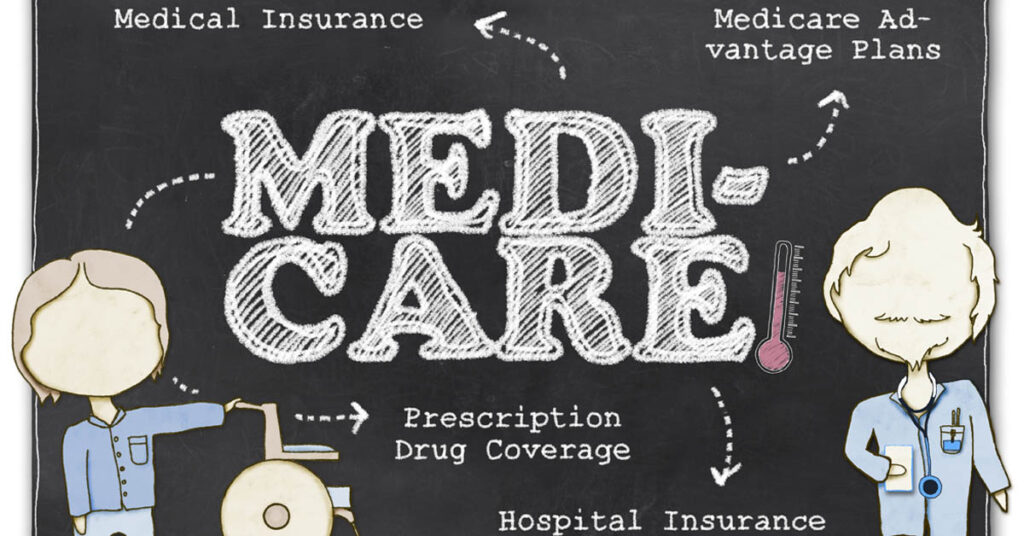
What to Know about the Medicare Open Enrollment Period and Medicare Coverage Options

Each year, Medicare beneficiaries have an opportunity to make changes to how they receive their Medicare coverage during the nearly 8-week annual open enrollment period. The annual Medicare open enrollment period runs from October 15th to December 7th. During this time, people with Medicare can review features of Medicare plans offered in their area and make changes to their Medicare coverage, which go into effect on January 1st of the following year. These changes include switching from traditional Medicare to a Medicare Advantage plan (or vice versa), switching between Medicare Advantage plans, and electing or switching between Medicare Part D prescription drug plans.

Medicare is the federal health insurance program for people ages 65 and over and people under age 65 with long-term disabilities. The program helps to pay for many medical care services, including hospitalizations, physician visits, and prescription drugs, along with post-acute care, skilled nursing facility care, home health care, hospice care, and preventive services.

People with Medicare may choose to receive their Medicare benefits through traditional Medicare or through a Medicare Advantage plan, such as an HMO or PPO, administered by a private health insurer. People who choose traditional Medicare may sign up for a separate Medicare Part D prescription drug plan for coverage of outpatient prescription drugs and may also consider purchasing a supplemental insurance policy to help with out-of-pockets costs if they do not have additional coverage from a former employer, union, or Medicaid. People who opt for Medicare Advantage can choose from dozens of Medicare Advantage plans, which include all services covered under Medicare Parts A and B, and often include Part D prescription drug coverage as well.

Each year, Medicare beneficiaries have an opportunity to make changes to how they receive their Medicare coverage during the nearly 8-week annual open enrollment period. The annual Medicare open enrollment period runs from October 15th to December 7th. During this time, people with Medicare can review features of Medicare plans offered in their area and make changes to their Medicare coverage, which go into effect on January 1st of the following year. These changes include switching from traditional Medicare to a Medicare Advantage plan (or vice versa), switching between Medicare Advantage plans, and electing or switching between Medicare Part D prescription drug plans.

Medicare beneficiaries are encouraged to review their current source of Medicare coverage during the annual open enrollment period and compare other options that are available where they live. Because an individual’s medical needs can change over the course of the year, and from one year to the next, this may influence their priorities when choosing how they want to get their Medicare benefits. Medicare Advantage and Medicare prescription drug plans typically change from one year to the next and may vary in many ways that could have implications for a person’s access to providers and costs. Despite this, a KFF analysis of a nationally representative survey of people with Medicare found that only one-third (32%) compared their Medicare coverage options during a recent open enrollment period.

Traditional Medicare and Medicare Advantage both provide coverage of all services included in Medicare Part A and Part B, but certain features, such as out-of-pocket costs, provider networks, and access to extra benefits vary between these two types of Medicare coverage. When deciding between traditional Medicare and Medicare Advantage, people may want to consider a variety of factors, such as their own health and prescription drug needs, financial circumstances, preferences for how they get their medical care, and which providers they see.

People may prefer traditional Medicare if they want the broadest possible access to doctors, hospitals and other health care providers. Traditional Medicare beneficiaries may see any provider that accepts Medicare and is accepting new patients. People with traditional Medicare are not required to obtain a referral for specialists or mental health providers. Traditional Medicare covers seniors fully, wherever they travel nationwide.

People may prefer Medicare Advantage if they want extra benefits, such as coverage of some dental and vision services, and reduced cost sharing offered by these plans, often for no additional premium (other than the Part B premium).

People with Medicare can learn more about Medicare coverage options and the features of different plan options by reviewing the Medicare & You handbook. In addition, people can review and compare the Medicare options available in their area by using the Medicare Plan Compare website, a searchable tool on the Medicare.gov website, by calling 1-800-MEDICARE (1-800-633-4227), or by contacting their local State Health Insurance Assistance Program (SHIP). SHIPs offer local, personalized counseling and assistance to people with Medicare and their families. Contact information for state SHIPs can be found by calling 877-839-2675 or by checking the listing provided on the Medicare.gov website.

Additionally, many people use insurance agents and brokers to navigate their coverage options. While helpful, agents and brokers are financially compensated by private insurers for enrolling people in their plans, and often receive higher commissions if people choose a Medicare Advantage plan rather than remaining in traditional Medicare and purchasing a supplemental Medigap policy and stand-alone Part D plan.

Source:

KFF The independent source for health policy research, polling, and news. Available from: https://www.kff.org/medicare/issue-brief/what-to-know-about-the-medicare-open-enrollment-period-and-medicare-coverage-options/